Alas Purwo National Park: The Last Pristine Forest of Java
Imagine a forest untouched by human hands, a place where a rich variety of wildlife thrives in its truest, most natural state. This isn’t a scene from a movie; this is Alas Purwo National Park. Known as the oldest forest in Java, Alas Purwo stands as a testament to what a truly protected ecosystem looks like. Unlike many Indonesian forests that have been cleared for industry, decimated by illegal logging, and stripped of their biodiversity, Alas Purwo remains a pristine sanctuary. Here, the animals aren’t hunted for being a nuisance; they are allowed to live, protected in the home that is rightfully theirs.
Located on the easternmost tip of Java Island in the Banyuwangi district, Alas Purwo National Park is bordered by the Bali Strait to the east and the fierce Indian Ocean to the south. Because of its southern coastline, the park’s beaches are famous for their high, powerful waves, a characteristic of Java’s southern coast. The park is a prime example of a tropical lowland forest, boasting a remarkable diversity of ecosystems that have remained intact for centuries.
A Sanctuary of Diverse Ecosystems
The unique geography and soil of Alas Purwo have allowed it to maintain a variety of ecosystems that are rarely found together. This diversity is a key factor in its remarkable biodiversity.
- Coastal Forests: Along the coast, you’ll find thick mangrove forests that serve as a natural barrier, protecting the coastline from the powerful waves of the Indian Ocean. These mangroves are also a critical habitat for various marine species and birds.
- Bamboo Forests: As you move deeper into the park, you’ll notice that bamboo forests dominate the landscape. This is because the karst-type soil of Alas Purwo is perfectly suited for the extensive root systems of bamboo. These dense bamboo groves create a unique, almost ethereal environment within the park.
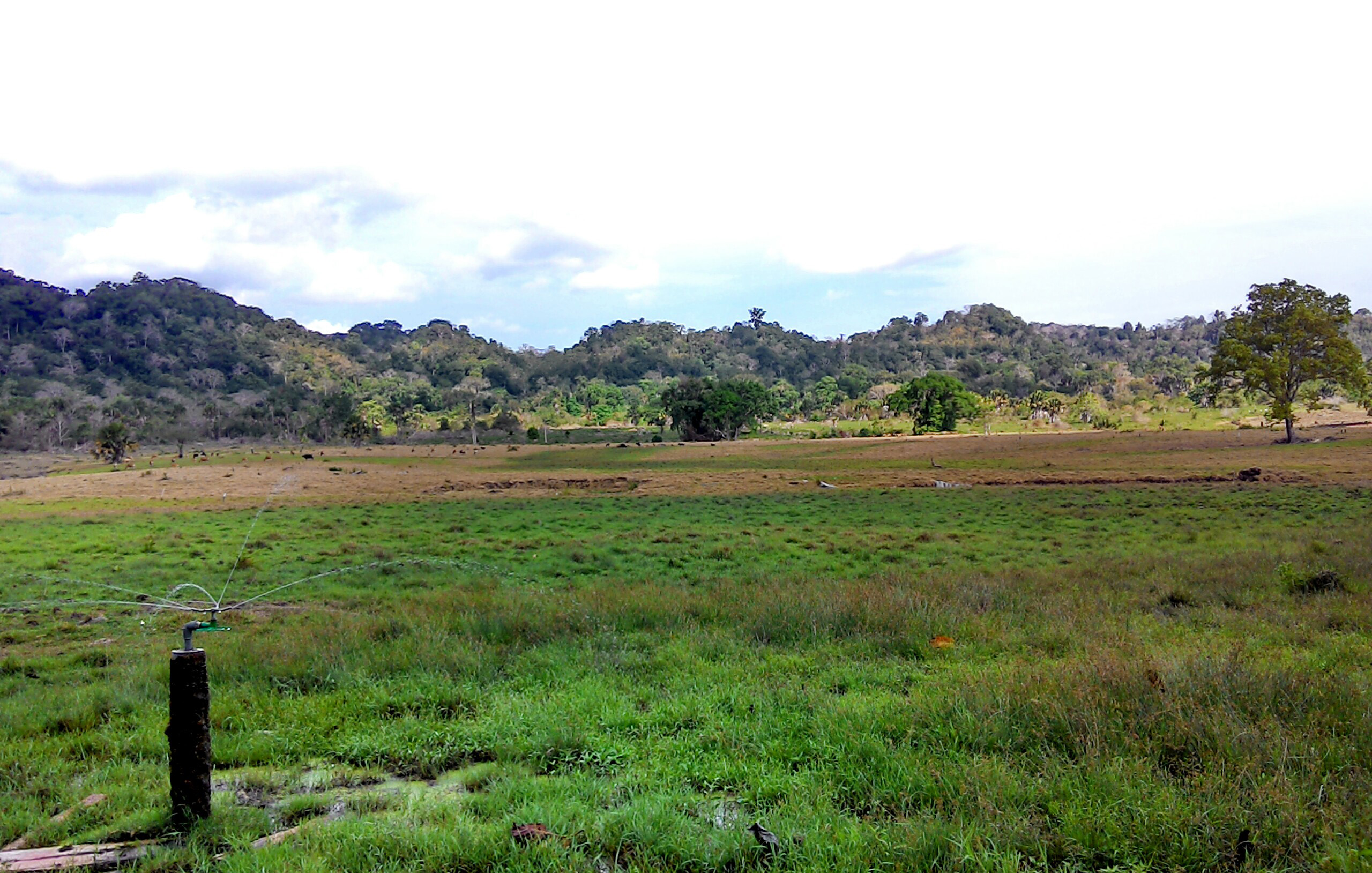
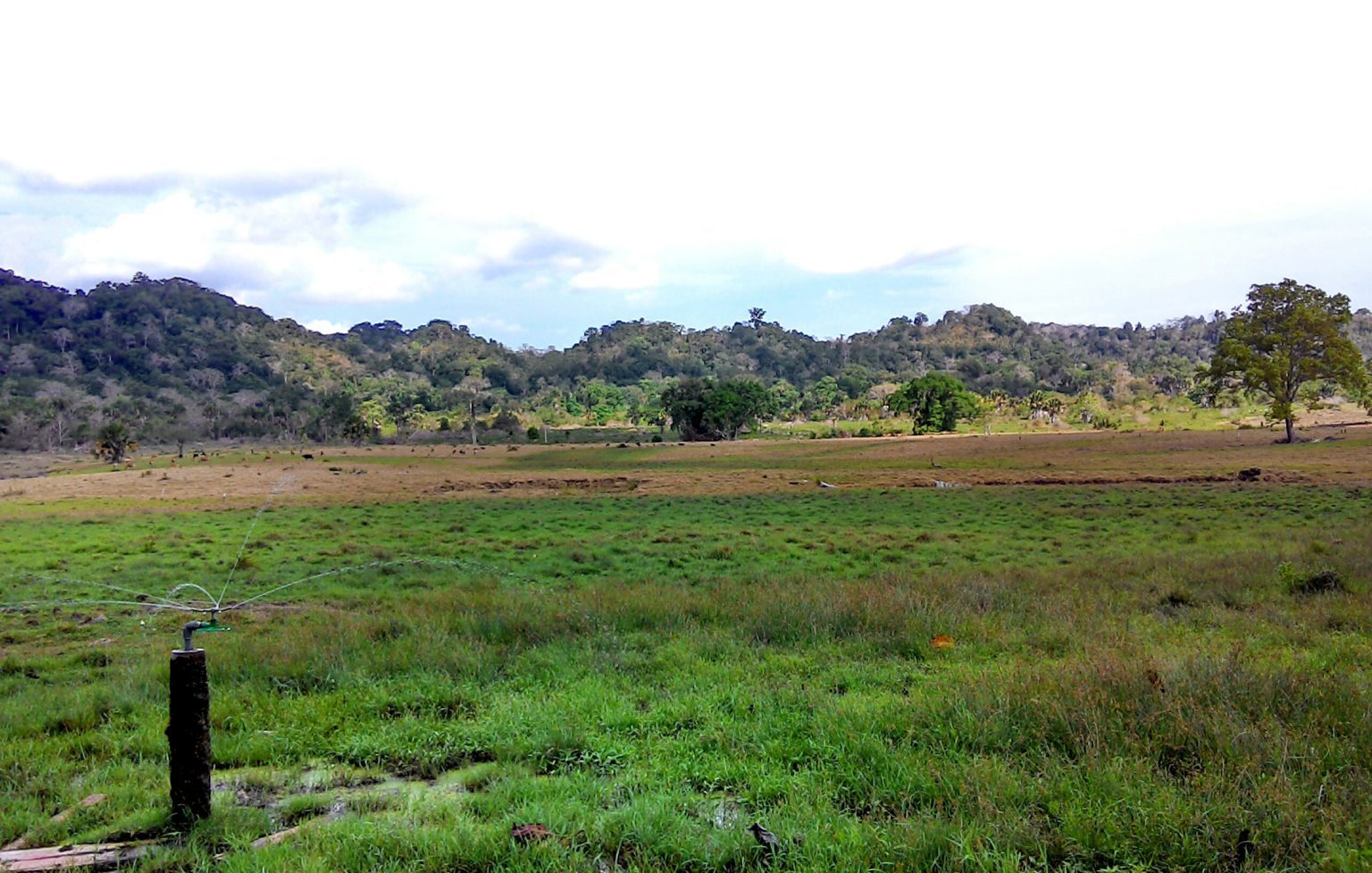
- Savannas: The savannas of Alas Purwo are where you can witness a scene straight out of an African safari. These grasslands are the home of a wide variety of wild animals, including Javanese wild cattle (Javanese bulls for males), wild boars, wild dogs, and various species of deer. The savannas are also a haven for birds like peacocks and storks. The balance of this food chain is maintained naturally, with predators and prey coexisting in a sustainable environment.
- Pristine Tropical Lowland Forest: The core area of Alas Purwo is a natural tropical lowland forest. This is the oldest part of the forest, a dense, protected jungle that serves as a vital habitat for many species that cannot be found elsewhere.
The continued preservation of Alas Purwo is attributed to a combination of factors. Its geographical location offers a natural defense, with high waves protecting its coastal border and a surrounding protected forest on the landward side. This geographical isolation has historically deterred large-scale illegal logging. Beyond that, the disciplined efforts of park managers and the high awareness of the local community have been instrumental. According to our guides, there is also a local belief that Alas Purwo is a “wingit” (a mystically charged place) with a powerful, protective aura, which deters those with malicious intent. Regardless of the reason, Alas Purwo National Park stands as the last truly protected forest in Java, and this is why its biodiversity remains so incredibly sustainable.
Key Exploration Spots within Alas Purwo
Alas Purwo National Park offers a range of exploration spots, each with its own unique charm. From wildlife viewing to surfing and spiritual retreats, there’s something for every kind of adventurer.
- Sadengan Savanna: This is the best place for wildlife spotting. The Sadengan savanna is home to large herds of Javanese bulls, which live in groups to protect themselves from predators. You can also spot deer, wild boars, and various bird species. The best time to visit is during the dry season when animals gather at watering holes provided by the park managers. There is a viewing tower that allows you to observe the animals safely from a distance.
- Mystical Caves: The park is home to numerous caves, some of which are still used for meditation and spiritual retreat by mystics and those who hold traditional beliefs. These caves add a layer of mystery and cultural significance to the park, drawing visitors who are interested in the spiritual side of Javanese culture.
- Beaches: The beaches of Alas Purwo are a major draw, especially for surfers. The high waves on the southern coast have made Plengkung Beach (also known as G-Land) one of the world’s premier surfing destinations, on par with Hawaii. Other notable beaches include Grajakan Beach, Bedul Beach, Triangulation Beach, and Pancur and Ngagelan Beach, each offering unique coastal scenery.
- Turtle Conservation at Ngagelan: For nature lovers, the turtle conservation center at Ngagelan Beach is a must-visit. From April to September, several species of sea turtles come ashore to lay their eggs in the warm sand. The park has designated Ngagelan as a protected conservation area to ensure the survival of these endangered creatures. Here, you can learn about the conservation efforts and, depending on the season, witness the magical moment of baby turtles being released into the sea.
- Pura Luhur Giri Salaka: For those interested in culture and religion, this Hindu temple is a significant landmark within the park. It serves as a place of worship for Hindus from Bali and Java, especially during major holy days. The temple adds a spiritual dimension to the park, highlighting its importance to the local community.
Preparing for Your Alas Purwo Adventure
A visit to Alas Purwo National Park requires some preparation, as it is a natural reserve with limited amenities. Here are some essential tips for a smooth and rewarding trip:
- Go with a Guide: It’s highly recommended to hire a local guide, as the forest is vast and can be confusing to navigate. A guide can also provide valuable information about the flora, fauna, and local beliefs.
- Respect the Environment: This is a protected area, so visitors must be mindful of their impact. Do not litter, do not disturb the wildlife, and stick to designated paths.
- Pack Accordingly: Bring comfortable walking shoes, insect repellent, a hat, and plenty of water. The climate is tropical, so light clothing is suitable, but a rain jacket is a good idea. A camera is essential to capture the incredible sights.
- Understand the Spiritual Significance: The park is considered sacred by many. It is important to be respectful of local traditions and customs, especially when visiting the Pura Luhur Giri Salaka or the caves.
Alas Purwo National Park is more than just a destination; it’s a living example of a healthy, protected ecosystem. A visit here is a powerful reminder of the importance of conservation and a chance to see nature in its most raw, untouched form. It is truly the last pristine forest of Java.
Fishing (22 Trips)

Hiking (28 Trips)
Jungle Safari (21 Trips)
Rafting (9 Trips)
3 Comments on “Alas Purwo National Park”
Arif
9 Jun 2013Selamat siang pak, kami dari pecinta alam di Bandung ingin tau prosedur untuk bisa masuk ke Taman Nasioal Alas Purwo, estimasi biaya yag dibutuhkan untuk menyusuri taman nasional ataupu pantai nya saja berapa yah pak ?
makasih
Sebenarnya tidak ada prosedur tertentu, kalian hanya perlu membayar tiket masuk sebesar kurang lebih Rp. 4000
Yang perlu menjadi catatan di dalam alas purwo tidak ada penginapan, jadi sebaiknya cari penginapan di rumah penduduk di perkampungan terdekat, hubungi masyarakat desa setempat jika kalian ingin mencari penginapan. tapi jika kalian ingin bermalam di alas purwo, kalian bisa membangun tenda di Triangulasi, mintalah ijin pada petugas yang berjaga di sana, tapi itu juga akan tergantung jumlah kalian, kupikir mereka tidak akan memberi izin jika jumlah kalian terlalu banyak.
Tak ada transportasi umum regular yang akan mengantar kalian menuju alas purwo, saat aku survey dulu aku mencari-cari informasi ke penduduk dan akhirnya aku menemukan orang yang memberikan mobilnya untuk dicarter sampai pintu masuk alas purwo saja, tapi jika kalian ingin menuju plengkung, pihak taman nasional menyediakan transportasi khusus dari Pancur berupa pick up yang harus kalian sewa untuk sekali jalan PP sebesar Rp. 200.000. Dari pintu gerbang alas purwo ke Pancur kalau tidak salah masih harus menempuh jarak 5km dan tidak ada transportai khusus, jadi kalian harus berjalan atau jika kalian menyewa transportasi khusus sejak di luar kawasan taman nasional, kalian hanya bisa membawanya sampai Pancur. ada warung di Pancur dan kalian bisa makan di sana.
Untuk rute sebaiknya kalian dari surabaya naik bis ke banyuwangi via jember, turun di Benculuk, dari sini kalian bisa carter mobil ke pintu gerbang taman nasional, harganya nego. mungkin itu soal spot-spot yang mau dikunjungi di sana sebenarnya banyak sekali, saat kami survey kami jg tidak sempat mengunjungi semua spot-spot tersebut, terutama goa yang jumlahnya banyak. sebaiknya kalian cari informasi ke pihak tman nasional untuk spot-spot yang bisa dikunjungi.
oakley jawbone polarized
19 Apr 2013Interesting site.